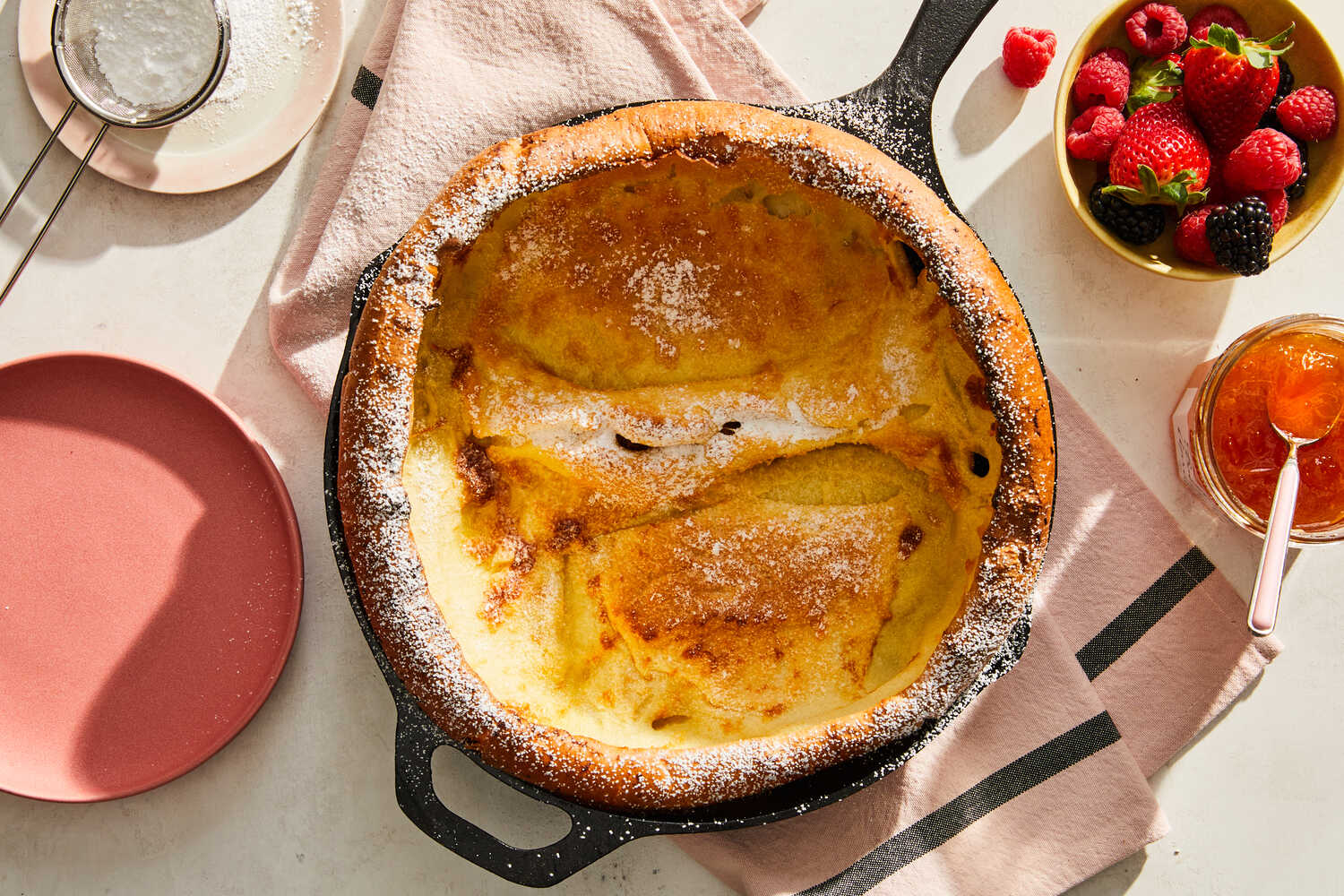
No-Flip Dutch Baby: Quick Recipe for Crispy & Custardy Perfection
Imagine pulling a magnificent, golden-edged creation from your oven, puffed high like a culinary cloud, eliciting gasps of delight from anyone in the room. This isn't a complex pastry or a challenging soufflé; it's a foolproof Dutch baby, and it's about to become your new favorite brunch secret. Forget the endless flipping of traditional pancakes or the delicate dance of crêpes. The beauty of a perfect dutch baby recipe lies in its stunning simplicity: blend, pour, and bake. The oven does all the magical work, leaving you with more time to savor the moment.
For years, this remarkable oven-baked pancake has been my go-to for making any morning feel extraordinary. Whether it's a lazy Sunday, a special occasion with guests, or simply a treat for myself, the Dutch baby delivers show-stopping results with minimal effort. Its unique texture – impossibly crispy, golden edges giving way to a soft, almost custardy center – is an experience in itself. And the best part? It looks far more complicated than it actually is, allowing you to bask in the glow of compliments without revealing your secret weapon. This article will guide you to that crispy, custardy perfection, every single time, with our easy-to-follow no-flip dutch baby recipe.
What Exactly is a Dutch Baby (and Why "No-Flip" is a Game Changer)?
At its heart, a Dutch baby is a large, baked pancake, often referred to as a German pancake. Despite the name, its popularization is widely attributed to a diner in Seattle, where a German pancake was apparently misnamed "Dutch" due to a delightful linguistic mix-up involving the German word "Deutsch." Whatever its precise origins, this culinary marvel has captured hearts with its impressive rise and comforting flavors.
What sets a Dutch baby apart from its griddle-fried cousins? Firstly, the "no-flip" aspect is revolutionary. Unlike traditional pancakes that require individual attention and careful turning, a Dutch baby is poured into a single, preheated skillet and baked whole. This eliminates the tedious task of standing over a hot stove, ensuring every pancake is perfectly cooked. Secondly, its texture profile is unique: the high egg content and oven baking in a very hot pan create a dramatically puffed exterior with shatteringly crisp edges, while the interior remains wonderfully soft and tender, almost like a rich custard. It's a contrast that makes every bite exciting. While it will beautifully deflate shortly after leaving the oven – a completely normal and charming characteristic – the texture and flavor remain unmatched.
The Simple Science Behind the Spectacular Puff
The dramatic transformation of simple batter into a towering, golden masterpiece isn't magic, it's culinary science at its best. Understanding a few key principles will help you achieve consistent success with your dutch baby recipe:
- Hot Pan, Hot Oven: This is arguably the most crucial step. A screaming hot pan (preferably cast iron) and a preheated, high-temperature oven create an immediate burst of steam when the batter is poured in. This steam, trapped within the batter, is what forces the pancake to rise dramatically. Think of it like a miniature steam engine.
- Egg-Heavy Batter: Dutch baby batter contains a higher proportion of eggs compared to traditional pancakes. Eggs provide structure and elasticity. As they cook, the proteins set, creating a framework that holds the steam and allows the pancake to puff up without collapsing immediately.
- Blending for Aeration: While you don't want to overmix flour, a quick blend of the batter (just until smooth) incorporates air. This aeration, combined with the steam, contributes to the light, airy texture and impressive rise.
- Butter's Role: Melting butter in the hot pan before adding the batter not only prevents sticking but also creates a wonderfully rich, browned flavor and contributes to those irresistible crispy edges.
When all these elements come together, you get that awe-inspiring visual spectacle that makes the Dutch baby a true showstopper.
Crafting Your Perfect No-Flip Dutch Baby: Essential Tips
Achieving that perfect crispy-custardy balance is incredibly straightforward with a few key considerations. Here’s how to master this essential dutch baby recipe:
Ingredients You'll Need:
- All-Purpose Flour: The structural base.
- Large Eggs: The star for puffiness and richness.
- Milk: Adds moisture and helps with consistency.
- Sugar: Just a touch for subtle sweetness and browning.
- Salt: Balances flavors.
- Vanilla Extract: Essential for warmth and aroma.
- Lemon Zest (Optional, but Recommended): A bright, fresh note that elevates the flavor without making it overtly lemony. If you're not a fan, a pinch of cinnamon is a lovely alternative.
- Unsalted Butter: For greasing the pan and enhancing flavor.
Step-by-Step Perfection:
- Preheat Oven & Pan: Place your cast iron skillet (or oven-safe pan) in the oven and preheat to 425°F (220°C). This is critical. The pan needs to be scorching hot before the batter goes in. Give it at least 10-15 minutes to heat up thoroughly.
- Prepare the Batter: In a blender, combine the eggs, milk, flour, sugar, salt, vanilla extract, and lemon zest (if using). Blend on high speed for about 30-60 seconds, or until the batter is completely smooth and slightly frothy. Resist the urge to overmix once the flour is incorporated, but ensure there are no lumps. You can also whisk by hand, but blending ensures better aeration and a smoother consistency.
- Add Butter to Hot Pan: Carefully remove the super-hot pan from the oven. Add the butter and swirl it around until it's completely melted and coats the bottom and sides of the pan. Work quickly but safely here.
- Pour and Bake: Immediately pour the smooth batter into the hot, buttered pan. Return the pan to the oven and bake for 18-22 minutes, or until the Dutch baby is dramatically puffed, deeply golden brown, and the edges are beautifully crisp. Do NOT open the oven door during the first 15 minutes of baking, as this can cause it to deflate prematurely.
- Serve Immediately: Once baked, carefully remove the Dutch baby from the oven. It will begin to deflate almost immediately, which is perfectly normal and part of its rustic charm. Slice it into wedges and serve right away while it's still warm and the edges are at their crispiest.
Pro Tip: Ensure your eggs and milk are at room temperature. This helps them combine more smoothly with the flour, leading to a more consistent batter and potentially a better rise.
Beyond the Basics: Topping Ideas for Every Palate
While a simple dusting of powdered sugar is delightful, the Dutch baby is a magnificent canvas for an endless array of toppings. Its subtly sweet and slightly savory base makes it incredibly versatile. Here are some ideas to inspire your next creation:
Sweet Toppings:
- Classic Powdered Sugar & Lemon Squeeze: Simple, elegant, and timeless. The tartness of fresh lemon brightens everything.
- Fresh Berries & Whipped Cream: A vibrant combination of strawberries, blueberries, raspberries, or mixed berries with a dollop of fresh whipped cream.
- Maple Syrup or Honey: A straightforward and comforting choice.
- Fruit Compote: Warm apple cinnamon, mixed berry, or peach compote adds a burst of flavor and a lovely texture.
- Nutella or Chocolate Sauce: For the ultimate sweet indulgence. Add sliced bananas for extra decadence.
- Caramelized Apples or Pears: Sautéed in butter and cinnamon until tender.
- Toasted Nuts: Almonds, pecans, or walnuts add crunch and a nutty flavor.
Savory Toppings:
- Smoked Salmon & Cream Cheese: A sophisticated brunch option, complete with capers and fresh dill.
- Fried Egg & Bacon: Turn your Dutch baby into a full breakfast plate by adding a perfectly cooked egg and crispy bacon.
- Sautéed Mushrooms & Herbs: Earthy and aromatic, a great vegetarian option.
- Avocado & Everything Bagel Seasoning: A trendy and flavorful twist.
- Goat Cheese & Roasted Vegetables: A gourmet pairing for a more substantial meal.
Don't be afraid to mix and match! A combination of sweet and savory can be surprisingly delicious, like crisp bacon with maple syrup or fresh berries with a dollop of Greek yogurt and a sprinkle of black pepper. For more incredible inspiration, check out our guide to Show-Stopping Dutch Baby: Puffy German Pancake for Any Topping.
The no-flip Dutch baby is more than just a recipe; it's an experience. It's the joy of watching something simple transform into something spectacular, the delight of those crispy edges meeting a custardy interior, and the freedom of customizing it exactly to your taste. With this comprehensive guide and our easy dutch baby recipe, you're well on your way to becoming a brunch wizard. So, go ahead, gather your ingredients, fire up that oven, and prepare to impress yourself and everyone else!
